Managing end-of-life vehicles is no longer just about disposal. It is about compliance, sustainability, and unlocking value from materials that would otherwise go to waste. For waste site operators, scrap metal processors, and recycling businesses, understanding how to handle ELVs properly is essential for both legal compliance and commercial success.
This guide breaks down everything you need to know about ELVs, with a strong focus on authorised treatment facilities’ end-of-life vehicle processes, UK regulations, and best practices that help efficient operations.
What are end-of-life vehicles, and why do they matter?
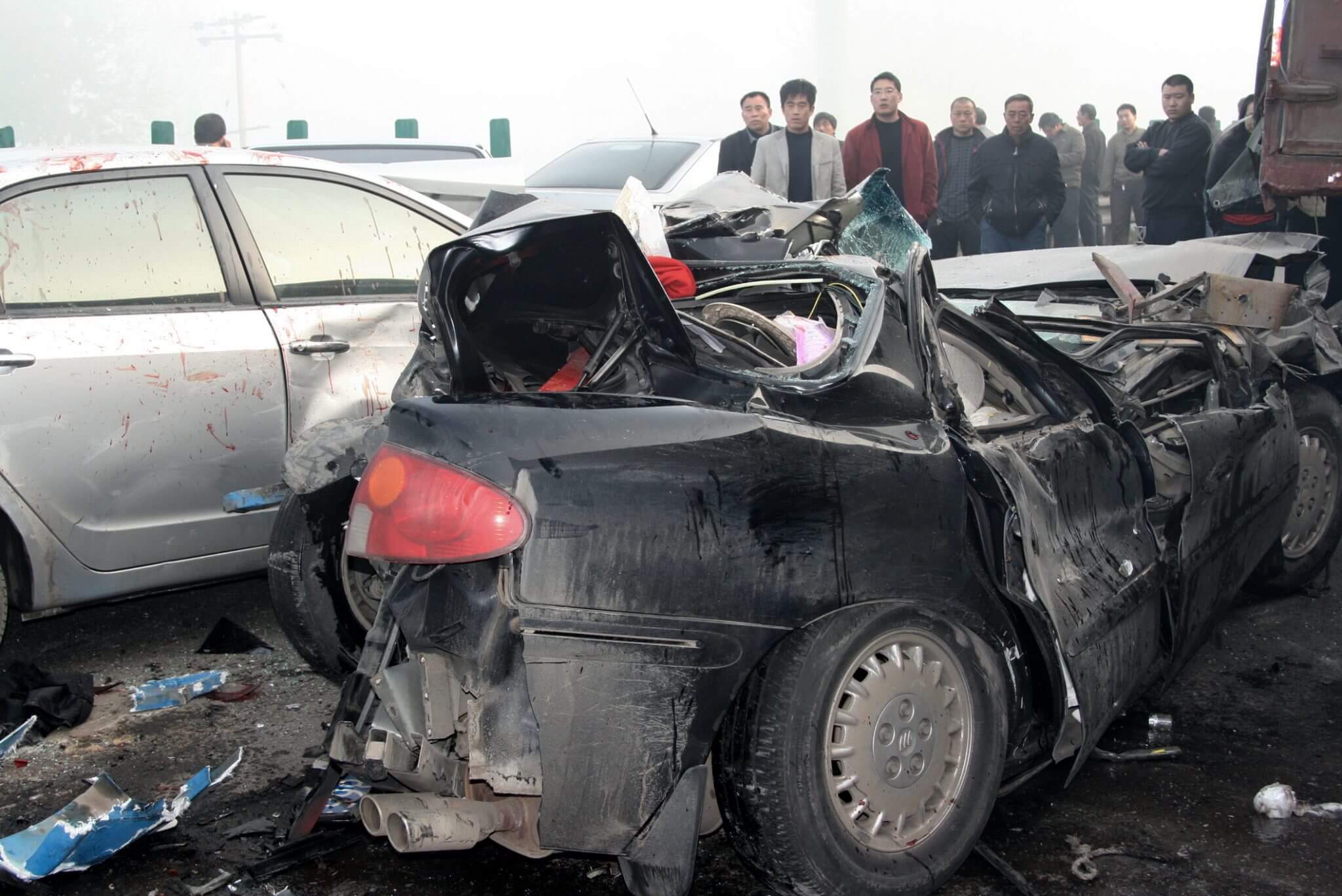
End-of-life vehicles are cars, vans, and other motor vehicles that are no longer roadworthy or economically viable to repair. They must be disposed of through regulated channels to ensure hazardous materials are handled safely and recyclable components are recovered effectively.
ELVs matter because they contain both valuable materials, like steel and aluminium, and harmful substances, such as oils, batteries, and fluids. Proper handling ensures environmental protection, legal compliance, and revenue generation for waste operators.
From a commercial perspective, ELVs represent a consistent supply of recyclable metal and reusable parts, making them a valuable asset for waste sites equipped to process them correctly.
What is an authorised treatment facility for end-of-life vehicles?
An authorised treatment facility, often referred to as an ATF, is a licensed site that is legally permitted to receive, treat, depollute, and dismantle end-of-life vehicles.
These facilities must meet strict environmental standards set by UK regulators. They are responsible for safely removing hazardous materials and ensuring that vehicles are recycled or disposed of in accordance with legislation.
Operating as an ATF is essential for any waste site looking to handle ELVs legally. Without this certification, accepting or processing ELVs can result in severe penalties and reputational damage.
What regulations govern end-of-life vehicles in the UK?
ELVs in the UK are regulated under the End-of-Life Vehicles Regulations, which are aligned with environmental protection laws. These regulations ensure that vehicles are disposed of in a way that minimises environmental harm and maximises recycling.
Key regulatory requirements include the following:
- Only authorised treatment facilities can process ELVs
- Hazardous materials must be safely removed and stored
- A Certificate of Destruction must be issued
- Recycling and recovery targets must be met
Failure to comply can lead to fines, loss of licences, and enforcement action, making regulatory awareness critical.
How L. Jarivs & Sons handle end-of-life vehicles?
We follow a structured process when handling ELVs to ensure safety, compliance, and efficiency.
The process typically begins with the acceptance of the vehicle, followed by depollution, dismantling, and material recovery. Each stage is carried out using approved methods and equipment.
Proper staff training, clear documentation, and adherence to environmental standards are essential. We also maintain accurate records of all vehicles processed to demonstrate compliance during inspections.
What is the ELV depollution process, and why is it important?
Depollution is the process of removing all hazardous substances from an end-of-life vehicle before further processing. This includes fluids such as oil, fuel, brake fluid, and coolant, as well as components like batteries and airbags.
This step is crucial because it prevents environmental contamination and ensures that the remaining materials can be safely recycled.
Effective depollution not only ensures compliance but also improves the quality of recyclable materials.
What materials can be recovered from end-of-life vehicles?
End-of-life vehicles are a rich source of recyclable materials. The most valuable materials include:
- Steel and iron
- Aluminium
- Copper
- Plastics
- Glass
Recovering these materials reduces the need for virgin resources and supports the circular economy.
How do Certificates of Destruction work?
A Certificate of Destruction, often referred to as a CoD, is an official document issued when an ELV is scrapped at an authorised treatment facility.
This certificate confirms that the vehicle has been destroyed and removes it from the DVLA register. It is a legal requirement and assures both the vehicle owner and regulators.
We ensure that CoDs are issued promptly and accurately.
What are the environmental benefits of proper ELV processing?
Proper ELV processing has significant environmental benefits. It reduces landfill waste, prevents pollution, and conserves natural resources through recycling.
By safely removing hazardous substances and recovering valuable materials, waste sites play a crucial role in reducing the environmental impact of vehicle disposal.
This not only supports sustainability goals but also enhances the reputation of businesses operating in the waste and recycling sector.
What are the common challenges with ELVs?
Handling ELVs comes with several challenges, including:
- Meeting regulatory requirements
- Managing hazardous materials safely
- Maintaining efficient processing workflows
- Keeping up with changing legislation
- Ensuring staff are properly trained
At L. Jarvis & Sons we make sure to consistently monitor and address these challenges.
How does ELV recycling support the circular economy?
End-of-life vehicle recycling is a key component of the circular economy. By recovering and reusing materials, we help reduce reliance on raw materials and minimise waste.
This approach supports sustainability and represents an opportunity for businesses to align with environmental goals.
Why is compliance critical when handling ELVs?
Compliance is not just about avoiding fines. It is about building trust, protecting the environment, and ensuring long-term business sustainability.
In a highly regulated industry, we prioritise compliance and make sure your vehicle is scrapped of efficiently and correctly.
Scrap your car the right way with L. Jarvis & Sons
Get in touch today to see how we can help support you in scrapping your end-of-life vehicle with a certificate of destruction.
Contact Us: https://www.jarvismetal.co.uk/contact-us
Get a Free Quote: https://www.jarvismetal.co.uk/quote
Call us on: 01295 710 223
Email us on: info@jarvismetal.co.uk
Frequently Asked Questions about end-of-life vehicles
1. Can any waste site accept end-of-life vehicles?
A. No, only authorised treatment facilities are legally permitted to accept and process ELVs. Operating without authorisation can result in penalties.
2. How much of a vehicle can be recycled?
A. Up to 95 per cent of a vehicle can be recycled or recovered, depending on the efficiency of the processing methods used.
3. What happens to hazardous materials in ELVs?
A. They are removed during the depollution process and disposed of safely in accordance with environmental regulations.
5. How long does ELV processing take?
A. The initial depollution and dismantling process can be completed within a few hours, although full recycling may take longer.