Whether you are clearing out a home, renovating a property, managing waste from a business or working on a construction project, it is easy to think of unwanted materials as something that simply needs to be thrown away.
But not everything has to go straight to disposal. Some waste can be avoided in the first place, while other items or materials may be suitable for reuse, recycling or recovery.
That is the thinking behind the waste hierarchy.
Rather than starting with the question, ‘How do we get rid of this?’, the hierarchy encourages you to look at the available options in a particular order: Prevention, Preparing for reuse, Recycling, Other recovery, Disposal
Disposal comes last, after the more preferable options have been considered. Here is what each stage means in practice.
Prevention: Avoid Creating Waste in the First Place
On a busy job, it is easy to focus on what needs clearing at the end. But decisions made before work begins can affect how much waste there is to deal with later.
Take a refurbishment project. Ordering more plasterboard, timber or other materials than the job needs can leave usable material behind. More accurate estimates and careful ordering can help reduce that surplus.
The same idea applies at home. Planning a clear-out before buying replacement furniture, using leftover materials from a previous job or avoiding unnecessary purchases can all reduce what eventually needs to be thrown away.
For a business, prevention might mean reviewing stock levels, using existing supplies before replacing them or keeping equipment in service for longer where practical.
Of course, not every bit of waste can be avoided. Jobs change, materials get damaged and some waste is simply part of the work.
But if less waste is created in the first place, there is less to store, sort and remove later. When something does become unwanted, the next question is whether it can still be used.
Preparing for Reuse: Can It Be Used Again?
Something being unwanted doesn’t automatically make it useless. A business clearance, for example, may include desks, storage units or fittings that are no longer needed but still have life left in them. The same can apply to components and materials removed during refurbishment work.
A home clear-out, office clearance or refurbishment can all produce items that are no longer needed but still have useful life left in them. Furniture, storage units, fittings or other usable items may be suitable for reuse rather than immediately becoming waste.
Preparing something for reuse can involve checking, cleaning, repairing or refurbishing it so that it can be used again. That is different from recycling. Reuse keeps an item or component in use, while recycling usually involves processing the material into something new.
Looking at what can be kept in use before deciding what needs processing can prevent usable items from entering the waste stream unnecessarily.
Reuse will not suit everything. If an item is damaged beyond repair or no longer suitable for further use, recycling may be the next option.
Recycling: Separate Materials That Still Have Value
The challenge on a working site is often less about understanding recycling and more about keeping suitable materials separate before they become mixed with everything else.
A refurbishment might generate metal, cardboard, timber and general waste at the same time. If all of it is treated as one waste stream from the start, it can become harder to identify what could be handled differently.
Scrap metal is a good example. Metal removed from a building, workshop or commercial site may be suitable for recycling rather than being treated in the same way as general waste.
The same thinking can be useful during a larger site clearance, where several materials may need to be managed at once.
Planning where different waste streams will go before a job gets busy can make a real difference. It is much easier to keep materials organised from the start than to deal with a mixed pile at the end.
But not every material can be recycled. That is where the next stage comes in.
Other Recovery: What If Recycling Is Not Suitable?
Other recovery is probably the least familiar part of the hierarchy. If waste cannot reasonably be prevented, reused or recycled, there may still be a way to get some useful value from it.
Energy recovery is one example. Suitable waste can be used to generate energy instead of simply being disposed of. That does not mean every non-recyclable material follows the same route. What happens next depends on the type of waste and the treatment options available for it.
The important point is that recovery gives some waste another possible route before final disposal.
Disposal: The Last Option
The waste hierarchy does not suggest that disposal can always be avoided. Instead, it places disposal at the bottom so that the other realistic options are considered first.
Disposal can include landfill or incineration without energy recovery.
By the time waste reaches this stage, the question is no longer whether every item can be saved from disposal. It is whether reasonable opportunities to prevent, reuse, recycle or recover it have already been considered.
For businesses, that way of managing waste is not only useful for planning. There are also legal responsibilities to consider.
Why Does the Waste Hierarchy Matter to Businesses?
Businesses that produce or handle waste have responsibilities around how that waste is managed.
Current government guidance for England says businesses must keep waste to a minimum by doing everything they reasonably can to prevent, reuse, recycle or recover it, in that order.
There are practical responsibilities as well. Waste must be stored safely and securely, and different types may need to be kept separate so they do not contaminate one another and can be reused or handled correctly.
That makes it useful to think about waste before collection is arranged. If you know what a job is likely to produce, you can plan where different materials will be stored, what needs to stay separate and what type of collection or removal may be suitable.
Some waste also comes with additional requirements. Hazardous waste, for example, has specific rules, so businesses should check the current government guidance that applies to the materials they are dealing with.
Planning Waste Before the Job Starts
You do not need a complicated system to start applying the hierarchy. Before a renovation, clearance, building job or other project, a few practical questions can help:
- What materials are likely to become waste?
- Could we reduce how much is ordered or removed?
- Is anything still suitable for reuse?
- Which waste streams need to be kept separate?
- Will any material need a particular treatment or collection route?
- Roughly how much waste will remain once those options have been considered?
These questions are also useful when it comes to arranging removal.
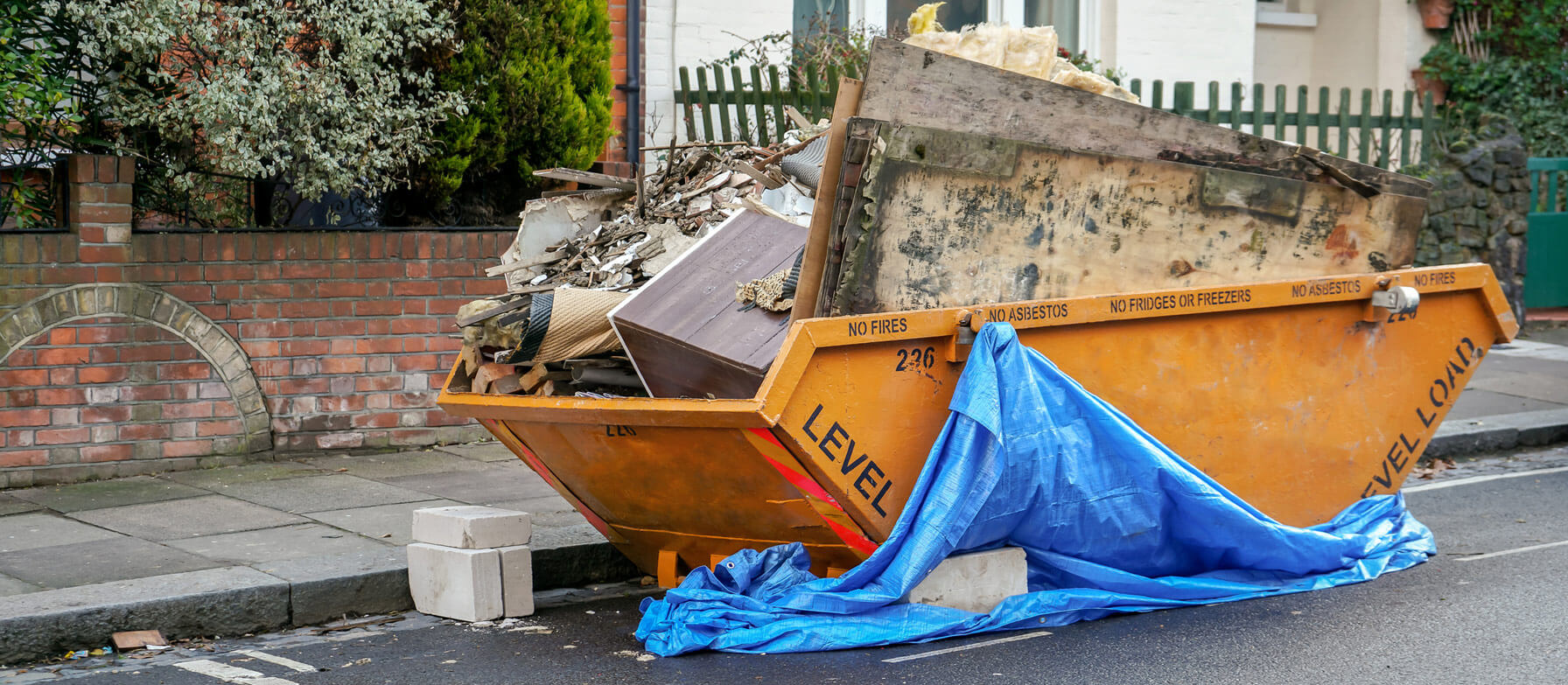
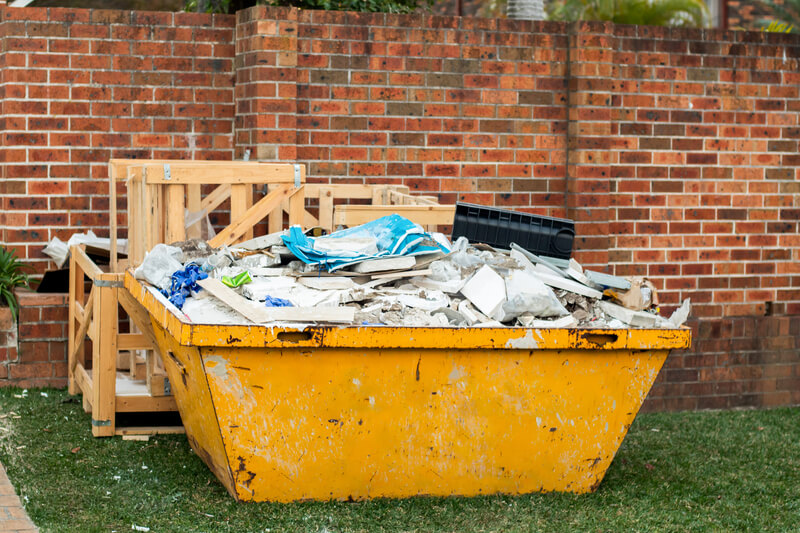
If the remaining suitable waste is likely to require a skip, knowing what materials you have and roughly how much there is can make it easier to choose an appropriate skip hire option in Banbury. The collection method should fit the waste you actually have, rather than being the first decision you make.
Making Better Waste Decisions From the Start
The waste hierarchy is really about changing the order of the questions. Instead of beginning with disposal, it encourages you to look first at what can be avoided, kept in use or handled through another route.
For homeowners, tradespeople and businesses, thinking about this early can make waste easier to organise and help avoid useful options being missed.
Some waste will still need to be removed. The aim is to make sure it reaches that point for the right reasons. If you are unsure about the most suitable way to manage waste from your project, contact us to discuss your requirements.
FAQ
What information should I have before arranging waste collection?
It helps to know what types of waste you have, roughly how much there is and whether any materials need to be kept separate or handled differently. This gives the waste provider a clearer picture of what the job involves.
Is construction waste classed as business waste?
Yes. Waste from construction and demolition activities is classed as business waste. This means businesses producing it have responsibilities for how it is stored, transferred and managed.
Does business waste need paperwork when it is collected?
For business waste leaving your premises, the required waste information must be recorded. For non-hazardous waste, this is commonly done using a waste transfer note or another document containing the required details. Records should be kept in line with current requirements.
How long should I keep waste transfer notes?
Waste transfer notes for non-hazardous waste should generally be kept for at least two years. Different record-keeping requirements apply to hazardous waste, so check the current guidance for the waste you are dealing with.
What should I do with waste that cannot be reused or recycled?
If waste cannot be reused or recycled, another recovery option may be available, such as energy recovery. If recovery is not suitable, the waste may need to be disposed of through an appropriate route. The right option depends on the type of waste involved, so check the requirements before arranging collection or disposal.