
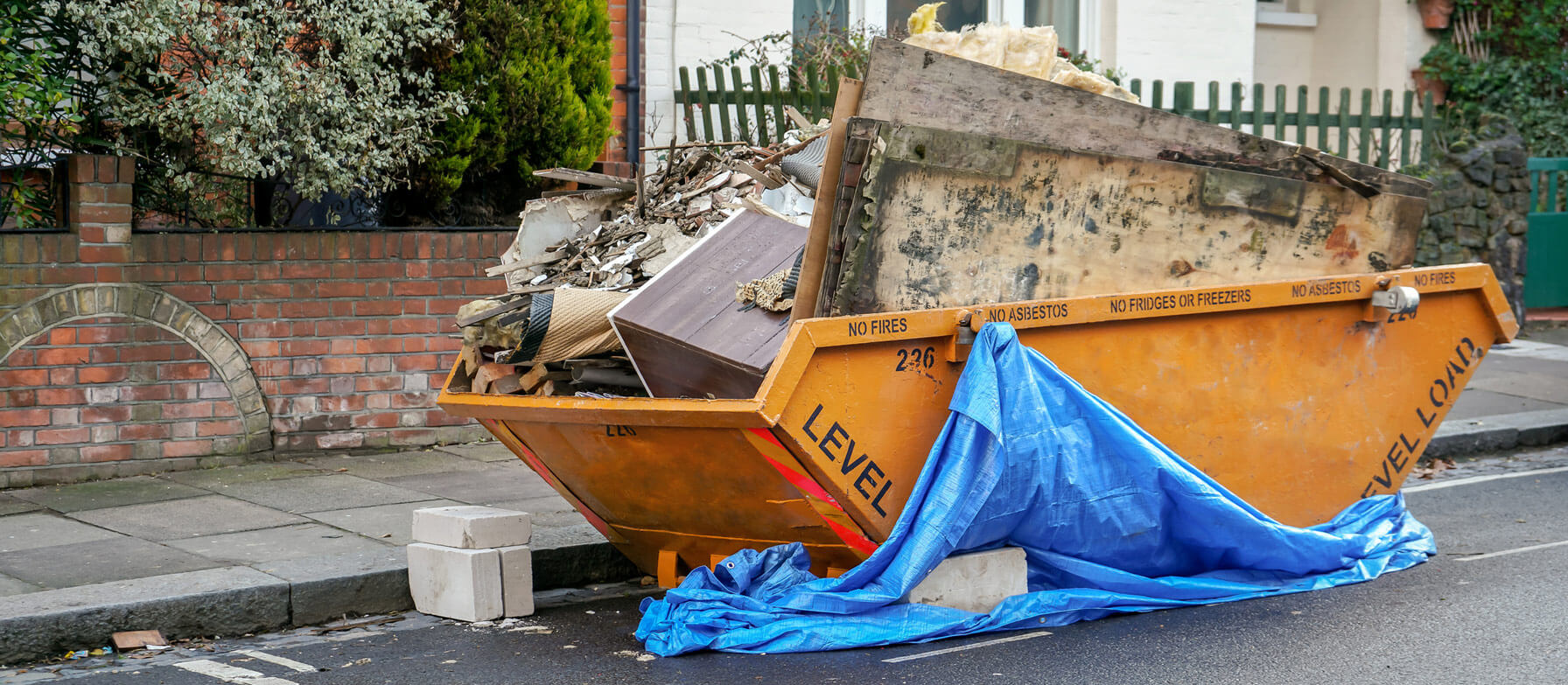

When waste is ready to leave your business premises or worksite, arranging a collection might seem like the final step. But there is more to it than simply having everything taken away.
Businesses have a legal responsibility to make sure their waste is handled properly. That includes how it is stored, who collects it and what happens once it leaves the site. This is known as waste duty of care.
Whether you are clearing a construction site, managing waste from commercial premises or arranging a one-off collection, knowing what to check beforehand can help you meet your responsibilities and avoid problems later.
What Is the Waste Duty of Care?
Waste duty of care is a legal requirement to take reasonable steps to ensure waste is stored, handled, transferred and managed safely and lawfully.
In England, these responsibilities are set out under Section 34 of the Environmental Protection Act 1990. The government’s Waste Duty of Care Code of Practice explains what businesses are expected to do.
The duty applies to anyone who produces, carries, keeps, treats or disposes of controlled waste, as well as waste dealers and brokers.
This means it is not just waste management companies that need to think about it. Shops, offices, factories, tradespeople and construction businesses all have responsibilities when dealing with waste from their activities.
One important point to understand is that your responsibility does not automatically end when the waste is collected. You still need to take reasonable steps to make sure it is passed to an authorised person and managed correctly afterwards.
What to Check Before Waste Leaves Your Site
There are several things worth checking before handing waste over for collection. Most are straightforward, but overlooking them can lead to problems further down the line.
1. Identify and Separate Your Waste Correctly
The first step is to know what waste you are dealing with. For example, a construction project might produce timber, scrap metal, packaging and general building waste. A business clearing out commercial premises could have cardboard, furniture, electrical equipment and other unwanted materials.
These materials do not necessarily have the same disposal requirements. Waste needs to be correctly identified and classified so that it can be handled in the right way. This includes establishing whether any of it is hazardous, as different rules apply to those materials.
You also need to separate waste where required. In England, the Simpler Recycling rules require most workplaces to separate specified recyclable materials, food waste and non-recyclable waste. Businesses with fewer than ten full-time-equivalent employees have until 31 March 2027 to comply with these specific requirements.
You can find more information in the government’s Simpler Recycling guidance for workplaces. If you are unsure how a particular material should be classified or handled, it is better to establish this before arranging collection rather than risk sending it through the wrong waste stream.
2. Store Waste Safely Until It Is Collected
Waste duty of care also covers what happens while waste is still on your premises. Leaving materials unsecured or using unsuitable containers can create problems, particularly if waste escapes, leaks or becomes mixed with other materials.
For example, loose packaging stored outside could blow into neighbouring properties or public areas. Containers holding liquids need to be suitable for their contents to prevent leaks and spills. How you store waste will depend on the materials involved, but a few basic precautions are worth following:
- Use containers suitable for the type of waste.
- Keep loose materials secure so they cannot escape.
- Prevent leaks, spills and contamination.
- Keep materials separate where necessary.
- Limit access to waste storage areas to prevent unauthorised people from adding to or removing materials.
These measures help protect the surrounding area and make it easier for the waste to be collected and managed correctly.
3. Make Sure Your Waste Carrier Is Authorised
Choosing a waste collection company involves more than finding someone who can take the materials away. Before handing over business waste, you need to check that the person or company collecting it has the appropriate authorisation.
In England, waste carriers generally need to be registered with the Environment Agency. The registration required depends on the activities they carry out.
You can check a company’s details using the Environment Agency’s public register of waste carriers, brokers and dealers. The register allows you to check whether a business is registered and whether its details match those provided by the contractor.
It is worth doing this even if the company has been recommended to you. A professional-looking website or collection vehicle does not, on its own, confirm that a business has the necessary registration. If you cannot verify a contractor’s authorisation, ask for clarification before allowing the waste to be collected.
Keeping a record of the checks you have made is also sensible. It provides useful evidence if questions arise about the collection later. At L. Jarvis & Sons we are registered with the Environment Agency.
4. Find Out Where Your Waste Is Going
Once you have checked the carrier, the next consideration is where the waste will end up. Depending on the material, it might be taken to a recycling facility, waste transfer station or another waste management site.
These facilities need the appropriate environmental permit or registered exemption for the waste and activities involved. For example, a facility authorised to handle certain types of commercial waste may not be permitted to accept every material removed from a construction site.
You are not expected to follow the collection vehicle or personally inspect every facility. However, taking reasonable steps to establish where your waste is going is part of meeting your duty of care.
A reputable contractor should be able to explain the intended destination and provide relevant information about how the waste will be managed. If the destination is unclear, resolve this before the waste is handed over.
5. Check That the Waste Description and Paperwork Are Accurate
When waste is transferred, the person receiving it needs enough information to handle it safely and correctly. An accurate written description is therefore an important part of the handover.
For non-hazardous waste, a waste transfer note or another document containing the required information, such as an invoice, is generally needed. Certain regular collections can be covered by a season ticket.
The documentation records details about the waste, the people or businesses involved and the transfer. It must accurately describe the materials being collected. For example, a load containing several types of construction waste should not be described simply as timber if that would leave out information needed to manage it properly. Both parties must agree to and sign the required transfer information. Hazardous waste follows different documentation rules, including the use of consignment notes.
You can read more about these requirements in the government’s waste transfer note guidance.
Keeping Records After Waste Has Been Collected
Once the waste has left your site, keeping the necessary paperwork is an important part of demonstrating that it was transferred correctly. For non-hazardous waste, businesses must generally keep waste transfer notes, or equivalent documents containing the required information, for at least two years.
Hazardous waste consignment notes generally need to be retained for three years by producers and holders, although different retention periods can apply to receiving facilities. You can store these records electronically or on paper, provided they are accessible when needed.
It is also useful to keep supporting information, including the waste carrier’s registration details, the checks you carried out and information about the intended destination.
Although these additional records are not all separate legal requirements, they can help demonstrate that your business took reasonable steps when arranging collection. This is particularly helpful for businesses that generate waste regularly or work across several sites. Having a consistent record-keeping system makes it easier to find the information you need, rather than trying to track down documents months after a collection.
If an authorised officer from the Environment Agency or local council requests your waste transfer records, you must be able to provide the required information.
What Happens If Waste Duty of Care Is Not Met?
Failing to meet waste duty of care requirements can lead to enforcement action, including prosecution and fines. It can also create wider problems if waste is handled incorrectly or ends up being illegally dumped.
For example, if a contractor fly-tips waste collected from a business, the authorities may investigate whether the original waste holder took reasonable steps before handing it over. This does not automatically make the business responsible for everything the contractor has done. However, it may need to demonstrate that it fulfilled its own legal obligations.
The purpose of duty of care is to make sure waste is managed responsibly throughout its journey, rather than allowing responsibility to become unclear once it changes hands.
Waste Duty of Care Checklist: Before You Arrange Collection
Before waste leaves your business premises or worksite, it is worth running through a final checklist.
- Identify the waste: Make sure the materials have been correctly identified and classified.
- Check storage and separation: Confirm the waste is stored securely and separated where required.
- Verify the carrier: Check that the person or company collecting it has the appropriate authorisation.
- Confirm the destination: Establish where the waste is intended to go and take reasonable steps to check the receiving site’s authorisation.
- Review the description: Make sure the written information accurately describes the waste.
- Check the paperwork: Confirm the required transfer documentation is in place.
- Keep records: Retain the necessary documents and any useful evidence of the checks you made.
A little preparation before collection can help prevent avoidable issues and make managing business waste more straightforward.
Managing Waste Responsibly With L. Jarvis & Sons
Waste management is not just about getting unwanted materials off your premises. Making sure they are handled properly, from storage through to collection and beyond, is just as important.
L. Jarvis & Sons is a long-established, family-run waste management and recycling business offering services including scrap metal collection and site clearance.
If you are clearing commercial premises, managing waste from a construction project or planning a site clearance in Banbury, our team can help you discuss the waste removal arrangements that may be suitable for your requirements.
Explore our site clearance services or contact us to discuss your requirements.
FAQs
What should I do if my waste has been fly-tipped after collection?
Report the incident to the relevant local council or, for serious or large-scale illegal dumping in England, the Environment Agency. Keep your waste collection records, contractor details and any evidence of the checks you made before handing over the waste. These may help establish what happened and show that your business took reasonable steps.
What is a duty of care certificate for waste?
A duty of care certificate is not a single standard document legally required for every business waste collection. The term is sometimes used by contractors to describe the paperwork they provide. What matters is whether the document contains the information required by law. For non-hazardous business waste, this will generally be recorded in a waste transfer note or an equivalent document.
What happens if I have lost my waste transfer note?
Start by contacting your waste contractor to request a copy. It is also worth checking your electronic records, invoices or other documents that may contain the required transfer information. Businesses must generally retain non-hazardous waste transfer records for at least two years. Recovering a copy can help you establish what information is available, although it does not automatically resolve a failure to meet the record-keeping requirements.