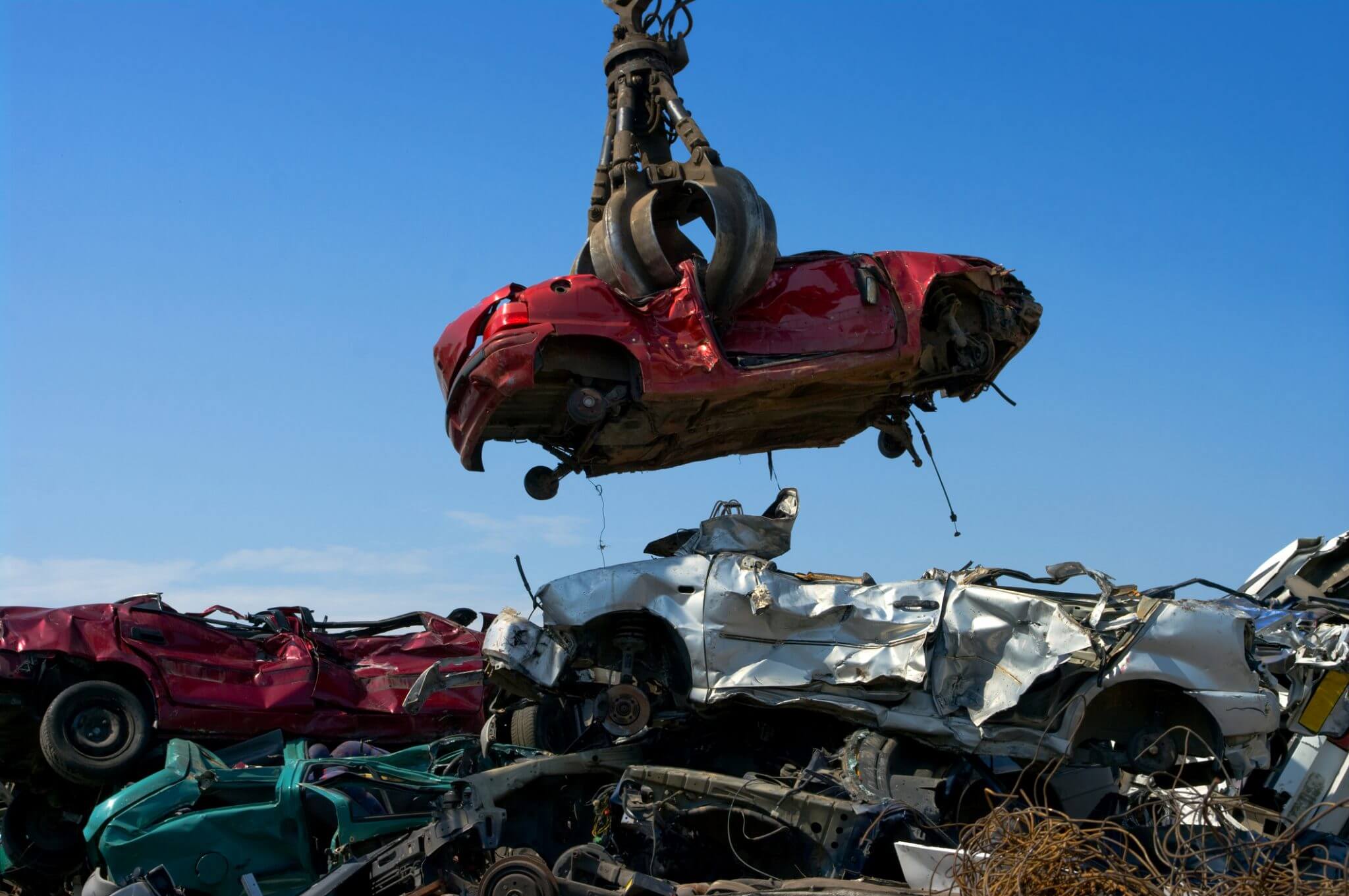
A car that has been sitting in your driveway for months can eventually become more of a problem than it’s worth. Perhaps it failed its last MOT, needs repairs you don’t want to pay for, or simply hasn’t been used in a long time.
If you’ve already declared the vehicle SORN (Statutory Off Road Notification) and decided it’s time to get rid of it, you might be wondering whether its off-road status makes scrapping it more complicated.
The good news is that you can scrap a SORN car. Declaring a vehicle off the road doesn’t prevent it from being scrapped. However, there are rules about transporting it, along with a few important steps to complete before and after collection.
Can You Drive a SORN Car to a Scrapyard?
You might assume that driving your car directly to a scrapyard is acceptable, especially if you’re only making one final journey before it’s scrapped. Unfortunately, that isn’t the case.
Once a vehicle has been declared SORN, it must be kept off public roads. The only permitted exception is driving to or from a pre-booked MOT or other approved vehicle test. Taking the car to a scrapyard doesn’t qualify, even if the facility is just a short distance away.
This is where collection becomes useful. Rather than worrying about getting the car to a recycling facility yourself, you can arrange for a scrap car collection provider to transport it.
It also means you don’t have to try to get a vehicle running again simply to move it, which is particularly helpful if it’s been standing unused or has mechanical problems.
You can read more about these restrictions in the GOV.UK guidance on SORN vehicles.
How to Scrap a SORN Car: Steps to Follow Before Collection
Once you’ve decided to scrap your car, the next step is getting everything ready for collection. There’s no need to make the process more complicated than it is, but a little preparation can help things go smoothly.
Step 1: Arrange Collection With a Suitable Vehicle Recycling Service
Start by contacting a scrap car collection provider and letting them know that your vehicle is SORN. You’ll usually be asked for a few details, including the car’s registration number, make, model and where it’s currently parked. The condition of the vehicle matters too.
For example, a car that’s parked on a clear driveway and can still roll may be easier to collect than one that’s been sitting in a garage for several years with seized brakes or missing wheels.
It’s worth mentioning any issues when you first enquire, rather than waiting until the collection team arrives. That gives the provider a better understanding of what is needed to remove the vehicle.
You’ll also want to make sure the car is being sent to an Authorised Treatment Facility (ATF). These are facilities authorised to handle end-of-life vehicles, and UK regulations require cars being scrapped to go through an ATF.
If you’re based in Banbury or the surrounding areas, we offer scrap car collection from homes and business premises.
Step 2: Check Your V5C Logbook and Vehicle Details
Before your collection date, it’s worth finding your V5C registration certificate, commonly called the logbook. You may not have looked at it since the car was last on the road, but you’ll need its details when telling the DVLA that the vehicle has been scrapped.
Under the standard scrapping process, you give the V5C to the Authorised Treatment Facility but keep the yellow section labelled ‘sell, transfer or part-exchange your vehicle to the motor trade’. You’ll need the reference from this section to notify the DVLA.
If you’ve misplaced your logbook, don’t assume that you can’t scrap the car. Let the collection provider know and check the alternative notification procedure with the DVLA. Without a V5C, you’ll need to provide the DVLA with the required information in writing.
There’s also one thing that’s easy to overlook. If the car has a personalised registration number that you’d like to keep, you must arrange to retain or transfer it before scrapping the vehicle. Once the car has been destroyed, you may lose the right to that registration.
Step 3: Prepare Your SORN Car for Collection
With the booking and paperwork sorted, you can turn your attention to the car itself. If it’s been sitting unused for some time, there may be a few things worth checking before collection day.
Clear out anything you want to keep
Have a proper look through the vehicle, including the glovebox, boot, door pockets and under the seats. Old paperwork, tools and personal belongings can easily be forgotten, especially in a car that hasn’t been used for months.
Make sure the collection team can reach it
If possible, leave enough space around the car for it to be safely loaded. If it’s parked behind another vehicle, inside a locked garage or somewhere with restricted access, discuss this with the provider in advance.
Be upfront about its condition
A flat battery or worn tyres might not seem particularly important when the car is being scrapped. However, problems such as seized brakes, missing keys or wheels that won’t turn can affect how the vehicle needs to be recovered.
You don’t need to attempt repairs just to prepare the vehicle for scrapping. Simply explain its condition so the collection team can plan accordingly.
Check before removing any parts
You may want to keep an accessory or remove something from the car before it goes. Discuss this with the provider first, especially if you’re considering removing essential components. Missing parts can affect how a vehicle is collected and its scrap value.
Step 4: Confirm What Happens When the Vehicle Is Collected
When the collection team arrives, the vehicle details and any necessary paperwork can be checked before the car is taken away. It’s worth confirming who is receiving the vehicle and what paperwork you’ll receive as part of the handover. Keep any collection or transfer records somewhere safe, particularly if you need to refer back to them later.
The car will then need to be handled through an Authorised Treatment Facility. If it’s being completely scrapped, the facility will issue a Certificate of Destruction, which provides official evidence that the vehicle has been handed over for scrapping.
That takes care of the physical vehicle, but there is still one important part of the process to complete: updating the DVLA.
What Happens to Your SORN and DVLA Records After Scrapping?
It’s easy to think that because the DVLA already knows your car is off the road, there’s nothing more to do once it’s been collected. However, a SORN declaration and a scrapping notification serve different purposes.
SORN simply tells the DVLA that the vehicle is being kept off public roads. It doesn’t tell them that the car has been permanently disposed of.
When you scrap your vehicle, you must notify the DVLA that it has been transferred to an Authorised Treatment Facility. You can normally do this online using the details from the yellow section of your V5C logbook.
Once the DVLA has been notified and the vehicle’s status is updated, its SORN is automatically cancelled. You don’t need to submit a separate request to cancel the declaration.
It’s important not to assume that the collection provider has completed this step on your behalf. Make sure you know who is responsible for the notification and keep confirmation for your records.
What Is a Certificate of Destruction?
A Certificate of Destruction (CoD) is the document that confirms a vehicle has been handed over for permanent scrapping. When a car is completely scrapped, the Authorised Treatment Facility must issue the certificate within seven days. It’s an important record because it provides evidence that the vehicle has been dealt with through the proper process.
Keep the certificate alongside your DVLA notification confirmation. Together, these documents provide a useful record of what happened to the vehicle after it left your possession.
Need to Arrange Collection for a SORN Car?
If your SORN car has been sitting unused and you’re ready to have it removed, we can help you arrange its collection. We provide scrap car collection and vehicle recycling services in Banbury and surrounding areas, including Buckingham and Northampton. Our team can discuss your vehicle’s condition, explain the collection arrangements and help you understand what to expect.
FAQs
Can I sell a car that has been declared SORN instead of scrapping it?
Yes, you can sell a car while it’s declared SORN. You’ll need to notify the DVLA of the change of keeper, and the existing SORN will end when the vehicle is sold. The new keeper must either tax the car before using it on public roads or make a new SORN if they intend to keep it off the road.
Does a SORN car have to be scrapped after a certain amount of time?
No, there is no time limit requiring you to scrap a vehicle simply because it’s declared SORN. You can keep it off the road for as long as you wish, provided you follow the SORN requirements. You don’t need to renew the declaration every year.
Can I scrap a SORN car that still has outstanding finance?
You’ll need to check with your finance provider before arranging to scrap the car. Depending on your agreement, the finance company may still legally own the vehicle, and you may need its permission. It’s best to confirm your options and settle any ownership issues before booking a collection.