In 2026, scrap metal is no longer just a byproduct of industry. It is a strategic resource, a commercial opportunity, and a vital part of the UK’s circular economy. At L. Jarvis & Sons, we are seeing firsthand how the demand for recycled scrap metal is reshaping the way businesses think about waste, sustainability, and long-term value.
With global supply chains under pressure, rising raw material costs, and stricter environmental targets across the UK, recycled scrap metal is stepping into the spotlight. For businesses that produce metal waste, this creates a powerful opportunity to reduce costs, improve sustainability credentials, and generate real returns from materials that might otherwise be overlooked.
This guide explores why scrap metal is too good to waste in 2026, what is driving demand, and how UK businesses can make the most of it.
The Growing Demand for Recycled Scrap Metal in 2026
The demand for recycled scrap metal has reached record levels as industries across construction, manufacturing, automotive, infrastructure, and renewable energy look for reliable and cost-effective material sources.
Several key factors are driving this surge:
- Global shortages of virgin raw materials
- Rising energy costs associated with metal extraction
- UK net zero commitments and ESG reporting requirements
- Increased investment in green infrastructure and electrification
Recycled metals require significantly less energy to process compared to mined metals. For example, recycling aluminium uses up to 95 percent less energy than producing it from raw ore. This makes recycled scrap metal both an economic and environmental priority.
At L. Jarvis & Sons, we support this growing demand by providing efficient, compliant, and transparent scrap metal recycling services across a wide range of materials.
Why Scrap Metal Has Become a Strategic Asset for UK Businesses
Scrap metal in 2026 is no longer seen as waste. It is an asset that can directly improve a company’s bottom line. Businesses that actively manage and segregate their scrap metal benefit from:
- Higher returns due to improved material quality
- Reduced waste disposal costs
- Stronger sustainability reporting
- Compliance with UK waste and recycling regulations
Whether you are a manufacturer producing offcuts, a demolition contractor clearing a site, or a trades business replacing metal components, your scrap has value. Our scrap metal services help businesses unlock that value efficiently and responsibly.
Ferrous vs. Non-Ferrous Metals: Understanding Market Demand
Understanding the difference between ferrous and non-ferrous metals is essential to maximising returns.
Ferrous Metals
Primary Component: Iron (Ferrum). Magnetic Property: Magnetic (Mostly). Corrosion Resistance: Prone to rust (except stainless steel). Weight: Generally heavy and dense. Typical Examples: Steel, Cast, Iron, Wrought Iron. Key Uses: Skyscrapers, bridges, car frames, rails. Market Value: Lower price per ton; high volume. 2026 Market Outlook: Subdued: Facing oversupply and lower construction demand.
Non-Ferrous Metals
Primary Component: No significant iron content. Magnetic Property: Non-Magnetic. Corrosion Resistance: High resistance to rust/corrosion. Weight: Generally lightweight. Typical Examples: Copper, Aluminium, Brass, Lead. Key Uses: Wiring, aerospace, batteries, electronics. Market Value: Higher price per ton; rarer supply. 2026 Market Outlook: Bullish: High demand for EVs, solar, and AI data centres.
Aluminium Scrap: A Key Driver of the Circular Economy
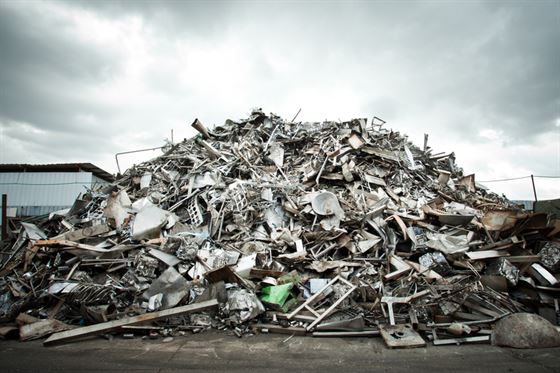
Aluminium scrap is one of the most in-demand recycled metals in 2026. Lightweight, durable, and infinitely recyclable, aluminium plays a critical role in:
- Electric vehicles
- Renewable energy systems
- Construction and cladding
- Packaging and transport
Because aluminium can be recycled repeatedly without losing quality, it is a cornerstone of the circular economy. Our aluminium scrap recycling service ensures clean, efficient processing that supports manufacturers and suppliers across the UK.
Copper Scrap: High Value and High Demand
Copper remains one of the most valuable scrap metals due to its essential role in electrification, renewable energy, and data infrastructure.
The expansion of electric vehicles, charging networks, and solar installations has significantly increased demand for recycled copper. Businesses holding copper scrap are well positioned to benefit from strong pricing and consistent demand.
Our scrap copper recycling service ensures accurate grading, fair pricing, and responsible processing.
Sustainability, Compliance, and ESG Reporting
Environmental responsibility is no longer optional. In 2026, UK businesses are under increasing pressure to demonstrate sustainable practices and transparent waste management.
Recycling scrap metal supports:
- Reduced landfill use
- Lower carbon emissions
- Compliance with waste duty of care
- Improved ESG performance
L. Jarvis & Sons operates in full compliance with UK regulations, providing clear documentation and traceability to support your reporting obligations.
Why Choose L. Jarvis & Sons Ltd
At L. Jarvis & Sons, we understand that scrap metal recycling is about more than price. It is about trust, compliance, efficiency, and long-term partnership.
We work closely with our customers to provide:
- Competitive and transparent pricing
- Expert handling of ferrous and non-ferrous metals
- Efficient collection and processing
- Full regulatory compliance
- A customer-focused, professional service
Explore our full scrap metal recycling services to see how we can support your business in 2026 and beyond.
Turning Scrap into Opportunity Starts Now
The demand for recycled scrap metal is not a passing trend. It is a defining feature of the UK industrial landscape in 2026. Businesses that act now can turn waste into value, strengthen their sustainability credentials, and gain a competitive edge.
We are proud to help our customers transform scrap into opportunity.
Get the Right Support with L. Jarvis & Sons Ltd
Managing scrap metal efficiently requires more than just recycling. It demands reliable logistics, compliant waste handling, and a partner who understands the realities of commercial operations. That is where L. Jarvis & Sons comes in.
We provides professional, fully compliant waste and recycling support services designed to work seamlessly alongside scrap metal recycling. From scheduled collections and site clearances to tailored solutions for construction, manufacturing, and commercial premises, our approach is built around reliability, flexibility, and customer care.
- Contact us today for a free quote
- Write to us: info@jarvismetal.co.uk
- Call us at 01295 710 223
Frequently Asked Questions
1. Why is the demand for recycled scrap metal increasing?
Demand is increasing due to raw material shortages, rising energy costs, and sustainability targets. Recycled metals offer a reliable and lower-impact alternative.
2. Is scrap metal recycling profitable for businesses?
Yes, with proper segregation and a trusted recycling partner, scrap metal can generate revenue while reducing disposal costs.
3. Which scrap metals are most valuable in 2026?
Copper, aluminium, and other non-ferrous metals remain the highest value due to their limited supply and industrial demand.
4. How does recycling scrap metal help the environment?
It reduces the need for mining, lowers carbon emissions, conserves energy, and supports the circular economy.
5. Can small businesses benefit from scrap metal recycling?
Absolutely, even small volumes can add up over time, especially when managed efficiently.